
Introduction
In today’s rapidly evolving digital landscape, businesses are under constant pressure to maximize conversions and increase website traffic. One of the most effective ways to achieve this is by merging Search Engine Optimization (SEO) and Conversion Rate Optimization (CRO) strategies. In 2025, as digital marketing solutions become more sophisticated, the necessity of integrating these two powerful approaches has never been clearer. This article explores how to leverage SEO and CRO to optimize user experience, boost website performance, and ultimately enhance conversion rates.
Understanding SEO and CRO
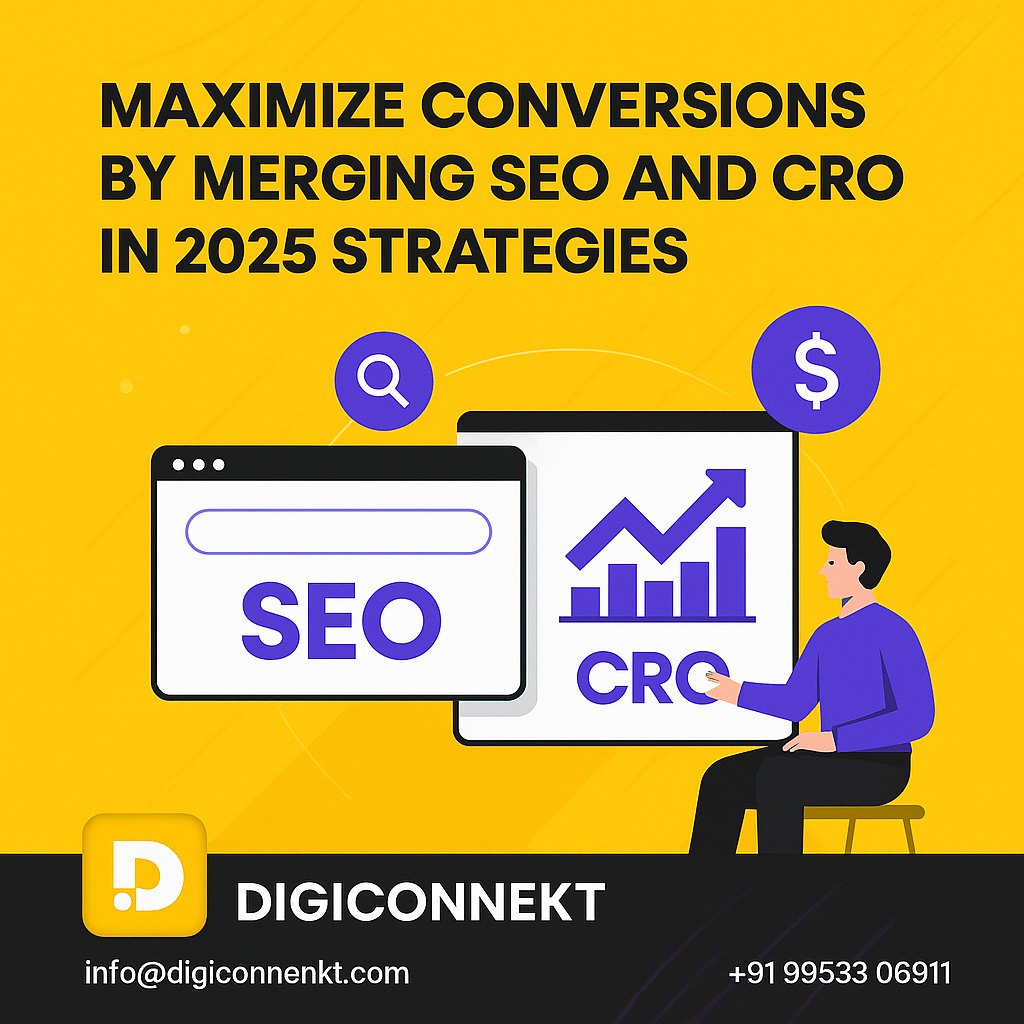
SEO and CRO serve complementary roles in the digital marketing ecosystem.
- SEO focuses on optimizing your website to rank higher in search engine results pages (SERPs), thereby increasing organic traffic.
- CRO, on the other hand, aims at improving the percentage of visitors who take desired actions, such as making purchases or signing up for newsletters.
The Importance of Merging SEO and CRO
While SEO is crucial for driving traffic to your site, CRO ensures that this traffic converts into tangible business results. By merging SEO and CRO strategies, businesses can create a robust digital marketing machine:
- Attracting Visitors: SEO brings traffic to your site through organic search.
- Converting Visitors: CRO optimizes the pathways that lead visitors to take action, effectively turning traffic into leads or sales.
Key Strategies for Merging SEO and CRO
1. Optimize User Experience
Both SEO and CRO prioritize user experience. A seamless user journey is essential for both attracting and retaining visitors. Here’s how to optimize user experience:
- Mobile Optimization: Ensure your website is mobile-friendly, as a significant portion of conversions happens on mobile devices.
- Page Speed Improvement: Fast-loading pages enhance user experience, lower bounce rates, and improve search rankings.
2. Content Optimization
Creating high-quality, relevant content is crucial for both SEO and CRO. To optimize your content:
- SEO for E-commerce: Use keywords that satisfy user intent while also persuading users to take action.
- Calls-to-Action (CTAs): Make your CTAs clear and compelling to encourage conversions.
3. Data-Driven Decision Making
Both SEO and CRO rely heavily on data analysis to inform strategies:
- Analytics Tools: Utilize tools like Google Analytics to track user behavior and conversion rates.
- A/B Testing: Conduct A/B tests on various elements of your website (e.g., headlines, CTAs) to identify what drives both traffic and conversions.
4. Improve Site Structure and Navigation
A well-structured website enhances both SEO and CRO:
- Crawlability: Optimize your site structure to make it easy for search engines to crawl your site.
- User Navigation: Simplify navigation so visitors can easily find what they’re looking for, which can lead to higher conversion rates.
5. Leverage Social Proof
Incorporating customer reviews and testimonials can significantly enhance trust among potential customers. This can not only improve your search rankings but also increase conversion rates.
Recent Trends and Insights for 2025
As we move into 2025, several trends are shaping the landscape of SEO and CRO:
- AI and Machine Learning: These technologies are becoming increasingly integral to digital marketing solutions, allowing for more personalized user experiences.
- Voice Search Optimization: With the rise of voice-activated devices, optimizing for voice search is critical for both attracting traffic and ensuring conversions.
According to a recent survey, 70% of marketers believe that personalization will be a crucial factor in driving conversions in 2025, underscoring the need for integrated SEO and CRO strategies.
Best Practices for Actionable SEO and CRO Tips
To effectively maximize conversions, consider the following actionable tips:
- Conduct Comprehensive Keyword Research: Identify keywords with high commercial intent to attract visitors more likely to convert.
- Optimize Landing Pages: Ensure your landing pages are tailored for both search engines and conversions.
- Focus on Local SEO: For businesses with physical locations, local SEO can drive highly targeted traffic that’s more likely to convert.
Conclusion
In a competitive digital environment, merging SEO and CRO strategies is essential for maximizing conversions and enhancing overall business performance. By prioritizing user experience, optimizing content, and leveraging data insights, businesses can create effective digital strategies that not only drive traffic but also convert visitors into loyal customers.
At DigiConnekt, we specialize in integrating SEO and CRO strategies to help you achieve sustainable growth in the digital realm. As the landscape continues to evolve, staying ahead of the curve is crucial. Partner with us to supercharge your digital strategy and watch your business flourish.
Frequently Asked Questions
What is the difference between SEO and CRO?
SEO focuses on increasing website traffic through search engine ranking, while CRO aims to convert that traffic into leads or sales.
How can I improve my website’s user experience?
You can improve user experience by optimizing page speed, ensuring mobile-friendliness, and simplifying site navigation.
Why is merging SEO and CRO important for businesses in 2025?
Merging SEO and CRO helps businesses attract more visitors and convert them effectively, which is crucial in an increasingly competitive digital landscape.
What tools can I use for A/B testing?
Popular A/B testing tools include Google Optimize, Optimizely, and VWO, which allow you to test different variations of your website to see what performs best.