
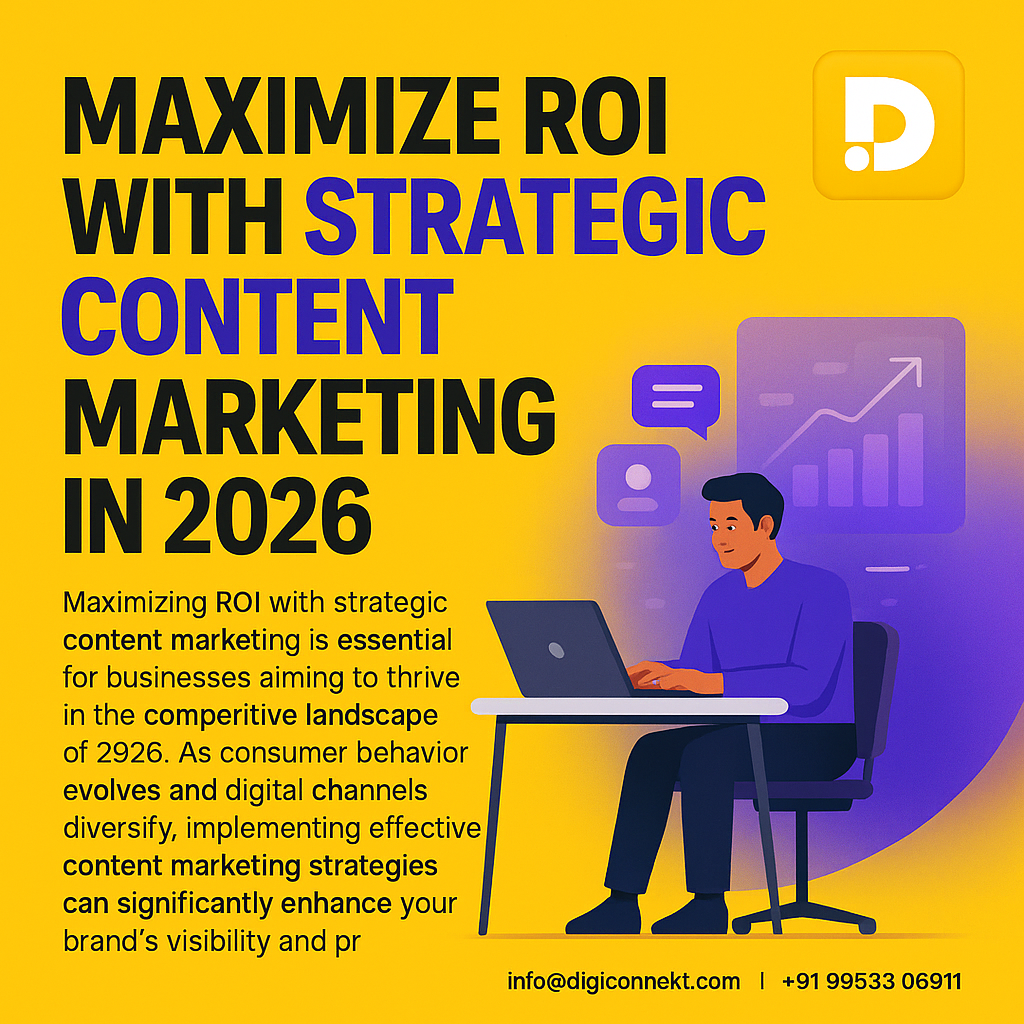
Maximizing ROI with strategic content marketing is essential for businesses aiming to thrive in the competitive landscape of 2026. As consumer behavior evolves and digital channels diversify, implementing effective content marketing strategies can significantly enhance your brand’s visibility and profitability. This article explores how to maximize ROI in content marketing through targeted approaches, particularly focusing on purchase intent and strategic content solutions that resonate with your audience.
Understanding Content Marketing in 2026
The landscape of content marketing is rapidly transforming. In 2026, the focus has shifted more towards creating content that genuinely engages users and aligns with their purchasing journeys. Recent statistics indicate that 60% of consumers favor brands that provide relevant content tailored to their needs. Therefore, maximizing ROI in content marketing requires a keen understanding of these trends and how to adapt your strategies accordingly.
Why Strategic Content Marketing Matters
Strategic content marketing is not merely about promoting products; it’s about weaving storytelling into your brand’s narrative. Here are several reasons why this approach is pivotal for maximizing ROI:
- Building Trust: High-quality, informative content fosters trust and loyalty among customers.
- Increased Visibility: Optimizing content for search engines improves your online presence, making it easier for potential customers to find you.
- Enhanced Engagement: Engaging content keeps users on your site longer, increasing the likelihood of conversions.
- Driving Sales: Content that targets purchase intent effectively guides users through their buyer journey, leading to increased sales.
Crafting Effective Content Marketing Strategies
To maximize ROI through content marketing, businesses must implement effective strategies that resonate with their target audience. Below are key strategies to consider:
1. Focus on Purchase Intent Content Marketing
Understanding your audience’s purchase intent is crucial. Craft content that aligns with different stages of the buyer journey:
- Awareness Stage: Create informative blog posts and guides that educate potential customers about their problems and your solutions.
- Consideration Stage: Develop comparison charts, case studies, and testimonials that showcase your product’s value.
- Decision Stage: Use compelling product descriptions and persuasive calls-to-action (CTAs) to seal the deal.
2. Optimize Content for Conversions
To increase sales with content, optimizing it for conversions is essential. Here are some tips:
- Use Clear CTAs: Make sure CTAs are prominent and direct, guiding users towards the next step.
- A/B Testing: Regularly test different content formats and styles to discover what resonates best with your audience.
- Leverage Data-Driven Insights: Utilize analytics to understand which content drives engagement and conversions, adjusting your strategy accordingly.
3. Develop a Comprehensive Buyer Journey Content Strategy
A well-structured buyer journey content strategy can significantly enhance engagement and conversions. Consider these components:
- Mapping Out the Buyer Journey: Identify touchpoints and tailor content for each stage.
- Creating Valuable Content: Focus on the quality of content over quantity; ensure that each piece adds value to the user.
- Implementing SEO Best Practices: Optimize your content for relevant keywords to improve search visibility.
Recent Trends in Content Marketing for 2026
As we move further into 2026, several digital content marketing trends are emerging that businesses should embrace:
- Data-Driven Content Marketing: Brands are increasingly relying on analytics to guide content creation, ensuring relevance and engagement.
- Interactive Content: Quizzes, polls, and interactive infographics are becoming essential for engaging audiences and driving user interaction.
- Personalization: Tailoring content based on user behavior and preferences can significantly improve engagement rates.
The Role of Relationship Building Through Content
Building relationships through content isn’t just about transactions; it’s about creating a community around your brand. Here’s how to foster relationships:
- Engaging Content for Businesses: Develop content that resonates with your audience’s interests and needs.
- Encouraging User-Generated Content: Invite customers to share their experiences and stories related to your brand.
- Regularly Interacting with Your Audience: Use social media and email newsletters to maintain an ongoing dialogue with your customers.
Conclusion: Take Action to Maximize Your Content Marketing ROI
Maximizing ROI with strategic content marketing in 2026 is not just an option; it’s a necessity for businesses aiming to thrive in a digital-first world. By understanding purchase intent, optimizing for conversions, and embracing the latest digital trends, you can create a powerful content strategy that drives engagement and sales.
Are you ready to elevate your content marketing efforts? Start implementing these strategies today to maximize your ROI and build lasting relationships with your customers.
FAQs
What are some effective content marketing strategies for 2026?
Focus on purchase intent content, optimize for conversions, and leverage data-driven insights for content creation.
How can I create valuable content that drives customer engagement?
Conduct audience research to understand their needs, and develop content that addresses their pain points and interests.
What role does SEO play in content marketing?
SEO is crucial for improving your content’s visibility in search engines, helping potential customers find your content more easily.
How can I measure the ROI of my content marketing efforts?
Track key performance indicators (KPIs) such as website traffic, engagement rates, and conversion rates to assess the effectiveness of your content marketing strategies.