
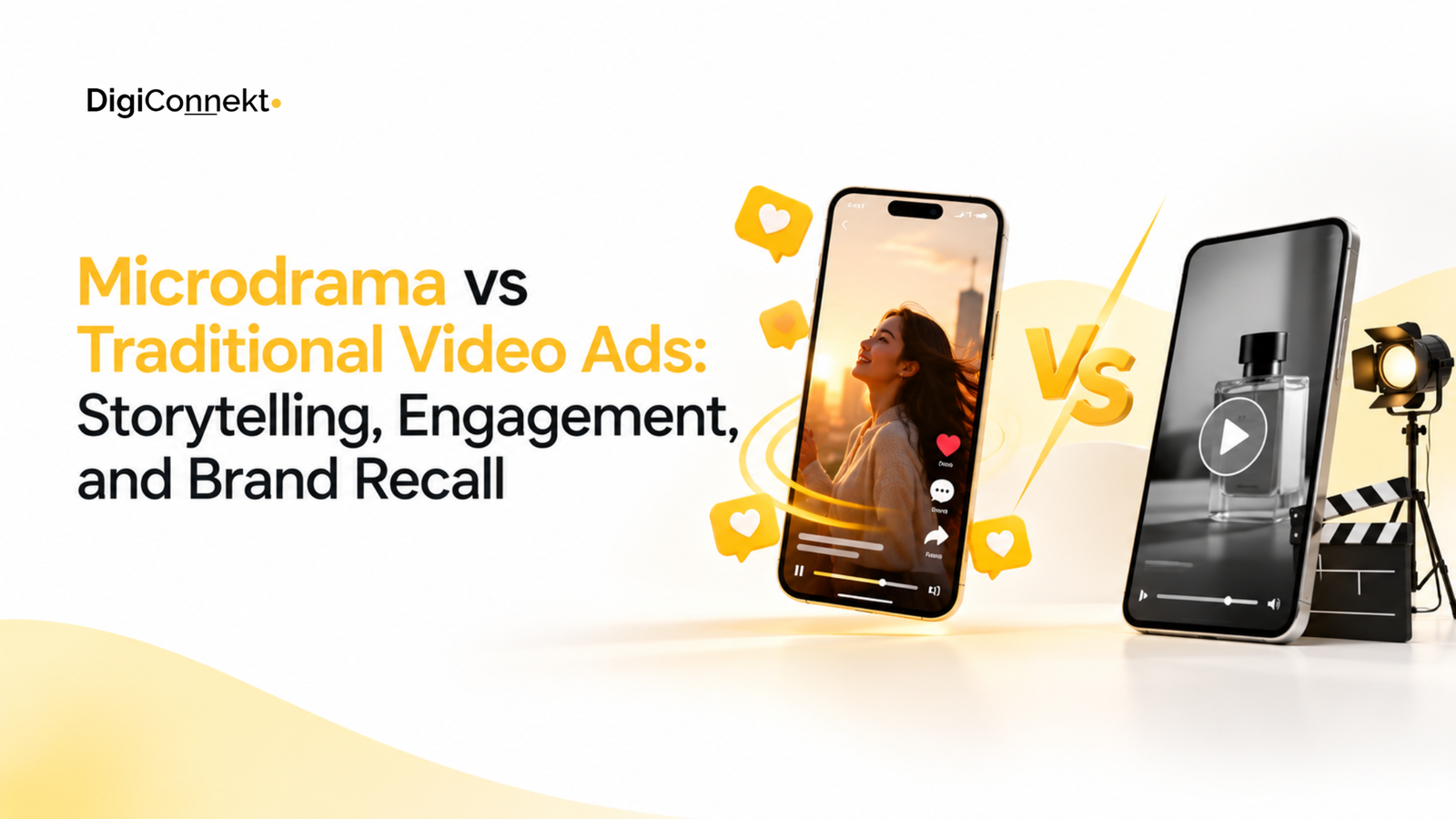
Video advertising has changed a lot over the years. Earlier, businesses mainly used advertisements to explain their products, highlight their benefits, and encourage people to buy. Today, audiences also enjoy watching videos that tell a story, create emotions, and keep them curious about what happens next.
This is where the difference between microdrama and traditional video ads becomes interesting. Both formats help businesses promote their products, but they approach audiences in different ways. Understanding microdrama vs traditional video ads can help brands decide which format suits their marketing goals.
What Are Microdrama Videos?
Microdramas are short, story-based videos that usually focus on characters, emotions, and interesting situations. They often include a small conflict, a surprising moment, or an ending that makes viewers want to watch more.
For example, a skincare brand could create a short story about someone preparing for an important event and finding a skincare routine that fits their needs. Instead of directly listing product benefits, the video shows the product as part of the character’s experience.
This approach makes the content feel more like entertainment than a regular advertisement.
Brands can work with a microdrama video production agency to develop creative stories that fit their products, audience, and marketing plans.
What Are Traditional Video Ads?
Traditional video ads focus more directly on promoting a product, service, or brand. They often highlight features, explain benefits, show product demonstrations, or include a clear offer.
For example, a food brand might create a 30-second advertisement showing its product, explaining what makes it special, and encouraging viewers to try it.
These ads can be useful when a business wants to communicate a message quickly. They are also suitable for product launches, special offers, and campaigns where the main goal is to encourage an immediate action.
However, if an advertisement feels too promotional or repeats familiar messages, some viewers may lose interest before it finishes.
Microdrama vs Traditional Video Ads: What’s the Difference?
Both formats have their place in marketing. The main difference is how they capture attention and deliver the brand message.
- Storytelling
Microdramas use characters, situations, and emotions to tell a story. Traditional video ads usually focus on the product, its benefits, or a specific offer.
- Audience Engagement
A good microdrama can make viewers curious about the next scene or episode. Traditional ads can also attract attention, especially when they are creative, useful, or entertaining, but their structure is often more direct.
- Brand Recall
When viewers connect with a story, they may remember the characters, emotions, and brand associated with it. Traditional ads can also create strong brand recall through memorable visuals, catchy messages, and repeated exposure.
- Promotional Message
Traditional video ads make the selling message clear from the beginning. Microdramas often introduce a product naturally within the story, allowing the audience to discover its role as the video unfolds.
- Content Opportunities
Traditional ads are often created as standalone videos. Microdramas can be developed into a series, giving brands more opportunities to build familiar characters and keep audiences interested.
Neither format guarantees better results. The right choice depends on the audience, creative idea, platform, and purpose of the campaign.
Why Are Brands Exploring Branded Microdrama Production Services?
People see a large amount of promotional content every day. For brands, the challenge is not simply getting a video in front of viewers but giving them a reason to keep watching.
Branded microdrama production services help businesses turn marketing ideas into short stories that include their brand or product naturally.
For example, a fashion brand could tell a story about a character choosing an outfit for an important occasion. A technology company could show how a product helps someone solve an everyday problem.
These stories allow businesses to show their products in relatable situations instead of relying only on direct promotion.
A professional microdrama production company can help with concept development, scriptwriting, storyboarding, casting, filming, editing, and adapting videos for different social media platforms.
The goal is to create content that people enjoy watching while keeping the brand message clear.
Which Video Format Should Your Business Choose?
The answer depends on what you want your campaign to achieve.
Choose traditional video ads when you need to announce a product, explain its features, promote a limited-time offer, or encourage viewers to take a specific action.
Consider microdrama when you want to tell a relatable story, create an emotional connection, introduce a product naturally, or develop content that viewers may want to follow over several episodes.
Businesses can also use both formats together. A microdrama series can attract attention and build interest, while a traditional video ad can explain the offer and guide interested viewers towards a purchase.
Conclusion
The discussion around microdrama vs traditional video ads is not about finding one format that works for every business. Traditional ads deliver direct messages, while microdramas give brands another way to connect with audiences through storytelling.
By understanding their audience and campaign goals, businesses can choose the format that makes the most sense for them. With a clear idea and thoughtful production, both approaches can help brands share their message and remain memorable.
To explore story-based video content for your brand, visit DigiConnekt.
Frequently Asked Questions (FAQs)
- What is the main difference between microdrama and traditional video ads?
Microdramas use short stories and characters to communicate a brand message, while traditional video ads usually focus directly on products, services, features, or offers.
- Are microdramas suitable for small businesses?
Yes. Small businesses can use short, relatable stories to introduce their products, explain customer problems, and build awareness without relying entirely on direct promotional content.
- Can microdramas help improve brand recall?
They can. Memorable characters, relatable situations, and emotional storytelling may help viewers remember a brand, although results depend on the quality of the content and audience response.
- What does a microdrama video production agency do?
A microdrama video production agency can help develop concepts, write scripts, plan scenes, manage filming, edit videos, and prepare content for social media platforms.
- Can a brand use microdramas and traditional video ads together?
Yes. Microdramas can build interest through storytelling, while traditional ads can communicate product details, special offers, and clear calls to action.